
Are Jetskis Safe for Beginners? Start Smart
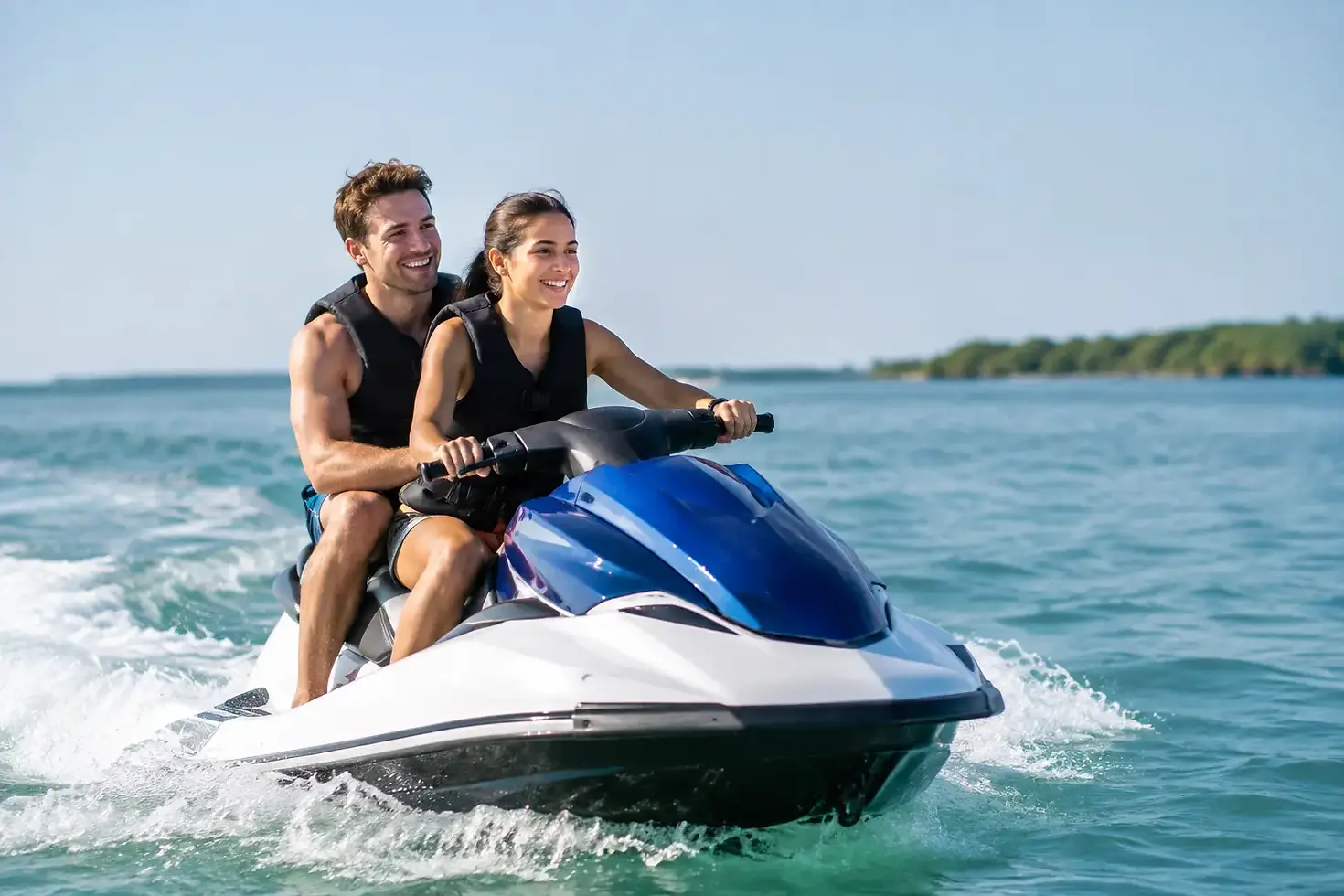
A jetski can turn an ordinary Miami boat day into the moment everyone talks about afterward. But are jetskis safe for beginners? Yes, when the rider gets a real orientation, wears the right gear, starts in appropriate conditions, and treats the machine with respect. They are fast, responsive, and a lot of fun, but they are not pool toys.
For a first-time rider, the best experience is not about pushing the throttle to see the top speed. It is about learning the controls, understanding the water around you, and having enough space to build confidence. With the right setup, a beginner jetski ride can feel exciting without feeling overwhelming.
Are Jetskis Safe for Beginners in Miami?
Miami is an incredible place to ride because the water, skyline, islands, and sandbars make the experience feel bigger than a standard rental. It also brings real variables: boat traffic, wakes, changing wind, shallow areas, and busy weekend routes. That is why safe beginners do best with a local operator who knows where conditions are calm, where traffic builds, and when it makes sense to stay closer to protected water.
A beginner is generally safer when riding during daylight in calm or lightly choppy conditions, with clear visibility and plenty of room away from docks, swimmers, anchored boats, and congested channels. A flat morning on open water is very different from an afternoon with wind, waves, and heavy vessel traffic. If conditions are rough, postponing or choosing a different water activity is the smart call, not a missed opportunity.
Safety also depends on the rider. Someone who listens closely, starts slowly, and stays aware of other boats can have a great first ride. Someone who treats a jetski like a race machine before learning how it turns and stops creates unnecessary risk.
What Makes a First Ride Challenging
A jetski is a personal watercraft powered by a jet-propulsion system. It does not handle exactly like a car, motorcycle, or even a small boat. One of the biggest surprises for new riders is that steering requires throttle. If you release the throttle completely while trying to turn, you may lose much of the steering response you expected.
Stopping takes more distance than many beginners assume, particularly at speed. The exact distance changes with the model, rider weight, water conditions, and speed, so leave a generous buffer around every boat, dock, marker, swimmer, and shoreline. Never aim directly at something assuming you can make a sharp last-second turn.
Wakes are another learning curve. Crossing a wake at the wrong angle or speed can feel unstable and can throw a rider off balance. Beginners should slow down, cross wakes with control, keep both hands on the handlebars, and avoid attempting jumps. The goal of a first ride is smooth, predictable control.
Falling off can happen, even to experienced riders. It is usually manageable when everyone is wearing a properly fitted Coast Guard-approved life jacket and follows the reboarding instructions given before departure. A fall becomes more serious when riders panic, separate from the craft, or ride without the required safety equipment.
Start With the Right Safety Briefing
The quality of the pre-ride briefing matters as much as the equipment itself. Before getting underway, a beginner should understand how to start and stop, accelerate gradually, make wide turns, use the engine shut-off lanyard, and reboard after a fall. They should also know the designated riding area, speed expectations, local hazards, and what to do if there is a mechanical issue or sudden weather change.
Do not rush this part because you are eager to get on the water. Ask questions until the basics make sense. A professional operator should be comfortable explaining the rules in clear, practical language, not just handing over a key and pointing toward the bay.
For every ride, keep these essentials non-negotiable:
Wear a properly fitted life jacket for the entire ride.
Attach the engine shut-off lanyard as instructed before accelerating.
Keep a safe distance from boats, people, docks, shorelines, and restricted areas.
Ride sober and avoid using a phone while operating.
Follow the operator's route, speed guidance, and weather instructions.
Florida also has age, education, identification, and operating rules that can apply to personal watercraft riders. Requirements can vary based on the rider's age and the type of rental or guided experience, so confirm the current rules with your operator before booking. Personal watercraft operation is not permitted at night, and a responsible provider will make sure your ride fits legal operating hours and local conditions.
Build Confidence in Stages
The safest first session begins with a slow practice area. Take a few minutes to get comfortable with neutral, throttle response, wide turns, and stopping distance before heading farther out. Keep your eyes up and look where you want to go, rather than staring down at the handlebars or fixing your attention on a nearby obstacle.
Once you are moving, use gradual inputs. Smooth acceleration is easier to control than sudden bursts of speed. Give yourself plenty of turning room, especially when changing direction near another vessel's wake. If you feel tense or uncertain, slow down. There is no prize for riding faster than your comfort level.
If you are carrying a passenger, the operator should be confident riding solo first. A passenger changes the balance and handling of the craft, and both people need to know how to sit securely, hold on correctly, and shift weight gently with turns. Keep the first ride simple rather than trying to combine high speed, sharp maneuvers, and a passenger all at once.
Choose a Guided Experience Over Guesswork
For beginners visiting Miami, a guided or professionally supervised experience can make a major difference. Local guidance removes much of the uncertainty around where to ride, which areas are busy, and how to enjoy the scenery without drifting into traffic or unfamiliar water.
This is especially valuable around popular areas near Miami Beach, Monument Island, and sandbar routes, where the water can become active with yachts, cruisers, tour boats, and other personal watercraft. The most memorable route is not always the fastest one. A well-planned ride can balance open-water excitement with calm sections where a first-time rider can relax and take in the view.
At My Luxe Yacht, water experiences are designed around the kind of day guests actually want: fun, polished, and easy to enjoy without needing to be a boating expert. If jetskis are part of your charter plans, share your experience level when booking. That allows the day to be planned with the right expectations, timing, and guidance.
When a Beginner Should Wait
There are situations when the answer should be "not today." High wind, thunderstorms, poor visibility, significant chop, fatigue, alcohol use, or anxiety around open water are all valid reasons to skip a jetski ride. So is feeling pressured by friends to go faster or ride in conditions you do not understand.
A good water day should feel exciting because it is well managed, not because it is reckless. There will always be another calm day, another route, and another chance to ride. Choosing caution protects you, your passengers, and everyone else sharing the water.
For beginners, jetskis are safe when the experience is matched to the rider, the weather, and the location. Start with guidance, stay aware, and let confidence come naturally. That is how a first ride becomes the highlight of your Miami day instead of the part you wish you had rushed less.


Comments